
Capabilities of ARDC:
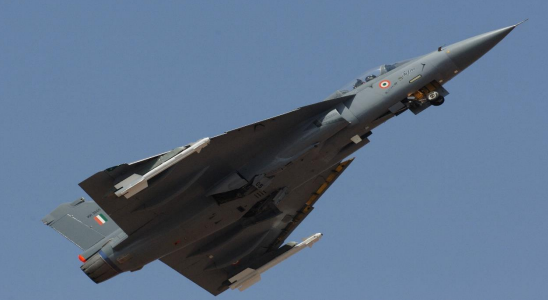
This version is aimed to enhance the operational and combat capabilities, survivability and maintainability.
Major Features in MK1A
- Active Electronically Scanned Array (AESA) Radar,
- Electronic Warfare Suite (EWS),
- SR-AAM & BVR missiles
- Air-to-Air refueling
- Combined Interrogator and Transponder (CIT)
- Software Defined Radio (SDR)
- Maintainability Improvements
It is also proposed to integrate Combined Interrogator and Transponder (CIT), Software Defined Radio (SDR) and Operating Data Link (ODL) with existing onboard avionics to infuse further capabilities to the aircraft.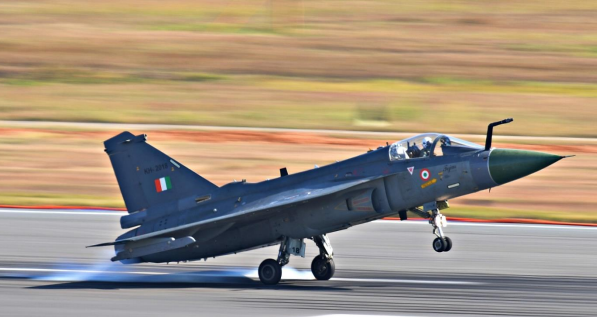
LCA-Tejas
LCA-Tejas is a Light Multi mission, agile, single engine aircraft with tailless compound, delta wing configuration with contemporary avionics, HAL participates In Design and development of major systems and structures. HAL is the Production Agency for this Aircraft.
Tejas incorporates a highly reliable quadruplex digital fly by wire flight control system. The new generation glass cockpit comprises Multi-function display (MFD), Head Up Display (HUD) and Stand by Instrumentation system driven by Open Architecture Mission and Display computer. This provides effective Human Machine Interface (HMI), the advanced utility and health Management systems Provides system health and warning to the pilot through open Architecture computer (OAC).
LCA-Navy
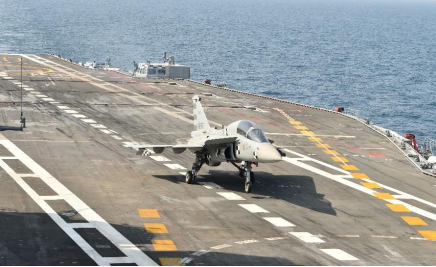
The Design of LCA Navy incorporates Challenging technological features as Leading Edge Vortex Controller (LEVCON), Ski-jump Take Off But Arrested Recovery (STOBAR), Hot Refueling, fuel Dump and Telescopic Landing designed for steep sink rate and the Arrester Hook System for Deck recovery Operation Demonstrated from aircraft carrier on the INS Vikramaditya & INS Vikrant.
Features:
- Tailless Compound Delta wing
- Relaxed Stability Aerodynamic Configuration for Agility
- Quadruplex Digital Fly by Wire FCS
- Ergonomics Glass Cockpit
- Digital Avionics
- Open System Architecture
- Pulse Doppler Multi mode Radar
- Advanced Composite Structure
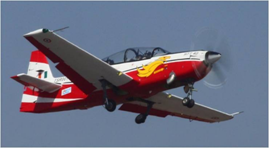
Designed and Developed by ARDC, HTT 40 Basic aerobatic trainer aircraft is designed to meet the Stage-I (ab-initio) training needs. An all-metal construction, tandem seating, air conditioned cockpit, Zero-Zero ejection seat, retractable undercarriage, modern avionics are the salient features in this aircraft.
Roles
- General Handling
- Instrument Flying
- Navigation
- Night Flying
- Close formation
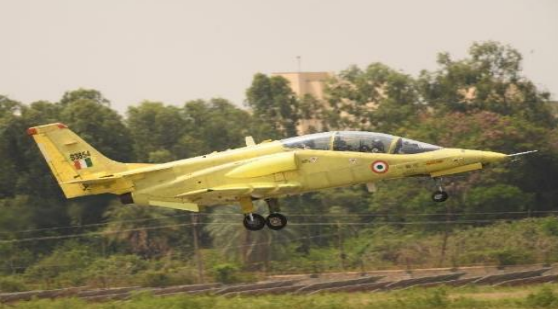
The Intermediate Jet Trainer (IJT), designated as HJT-36, was designed to bridge the gap between the Basic Piston Trainer and Advanced Jet Trainer and envisaged to replace the ageing Kiran aircraft used by the IAF for Stage-II training of its pilots.
The IJT is Capable of carrying 1000 kg of armament load on four hard points on the wings. The Aircrafts has cutting edge Active Matrix Liquid Crystal Display (AMLCD) and a Head Up Display (HUD), that will ensure a seamless transition of the Pilot to Advanced Jet Trainer systems, the Large Canopy coupled with stepped up seating for the rear pilot and drooping nose provide excellent round field of view.